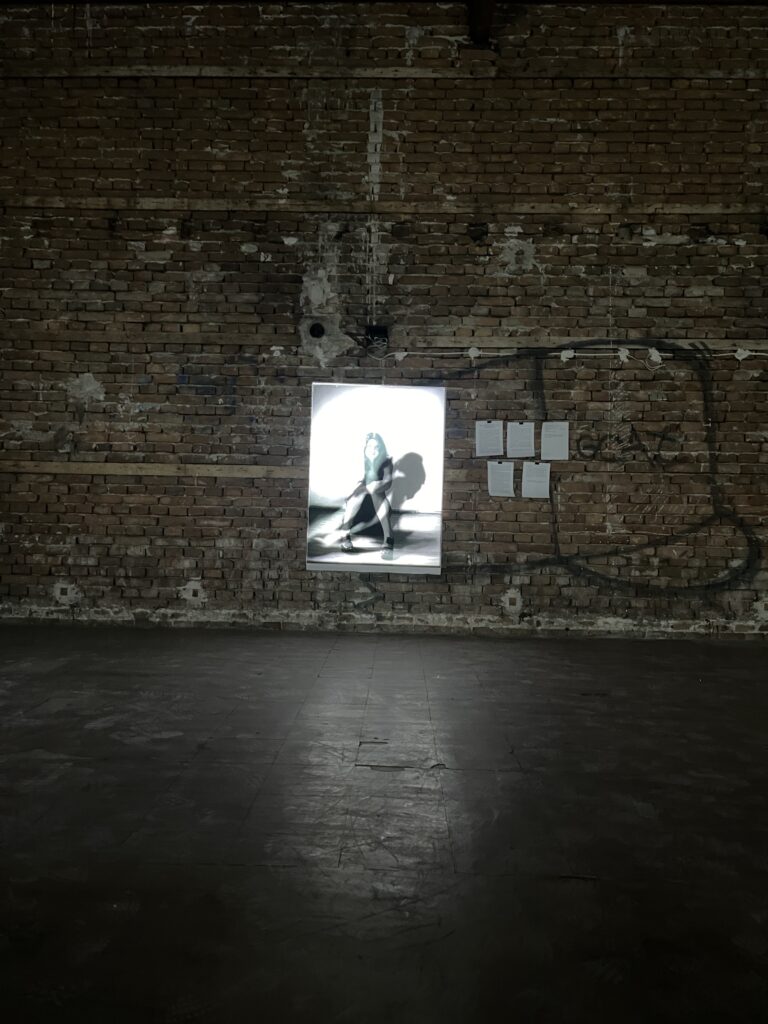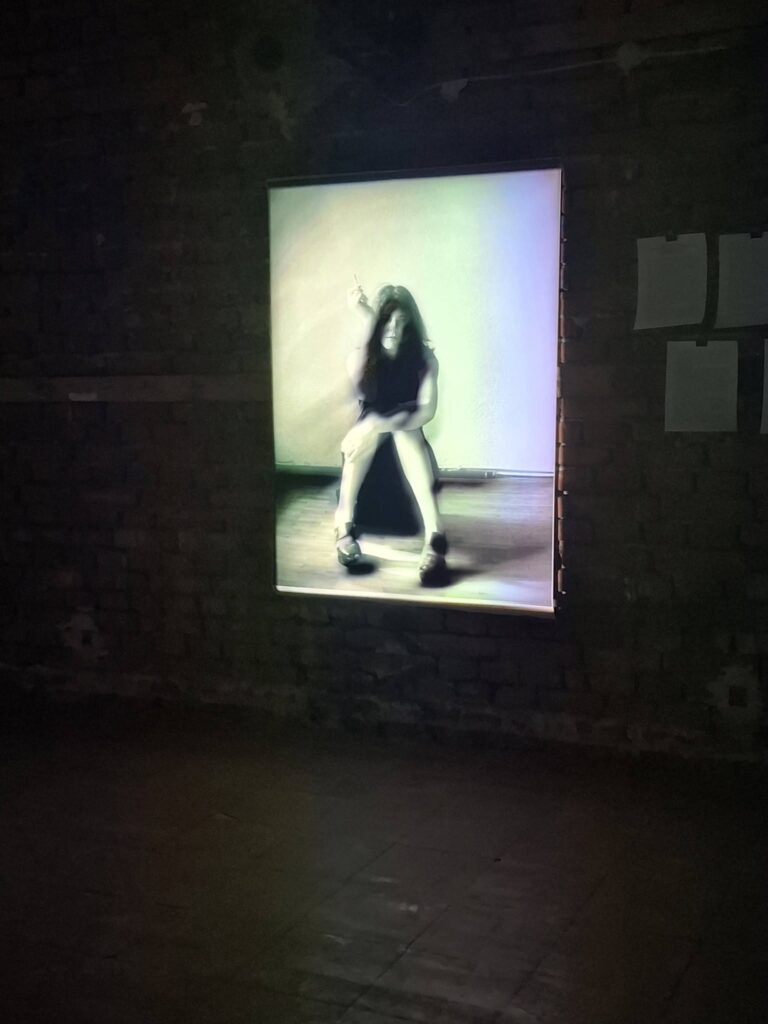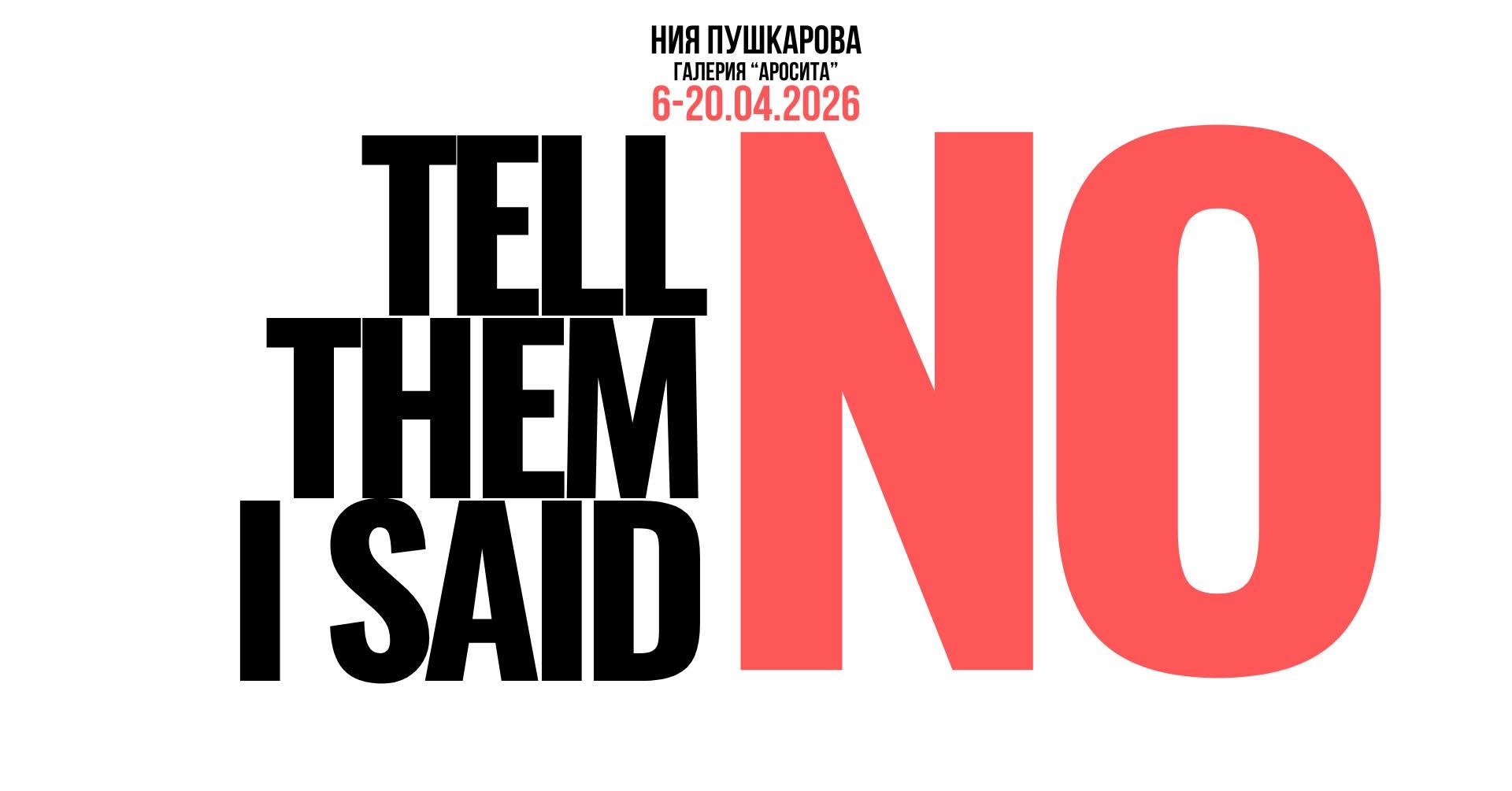
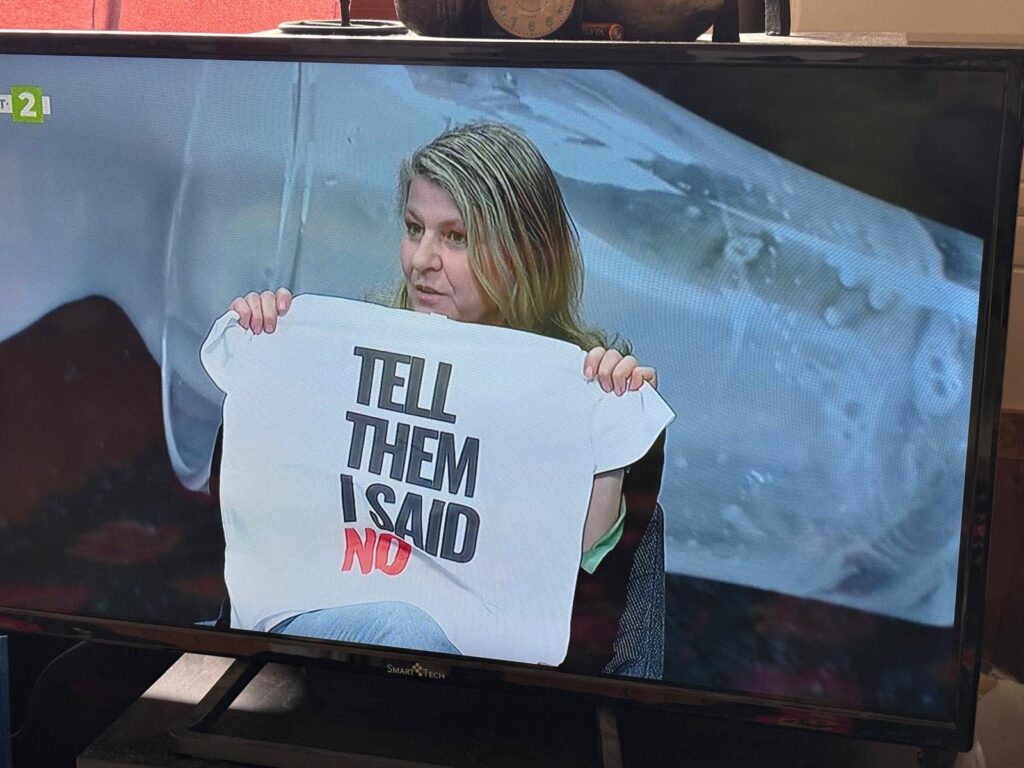
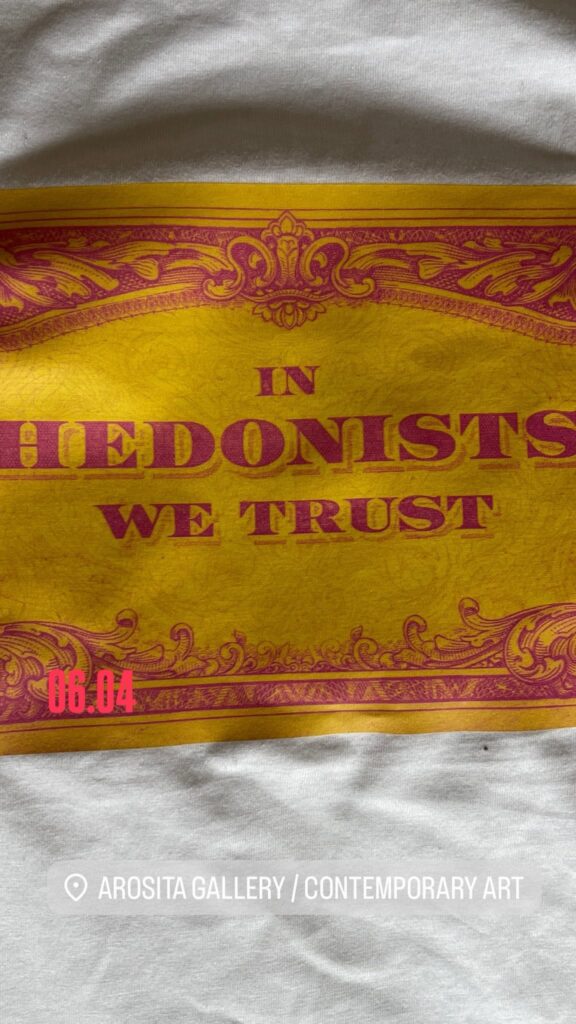
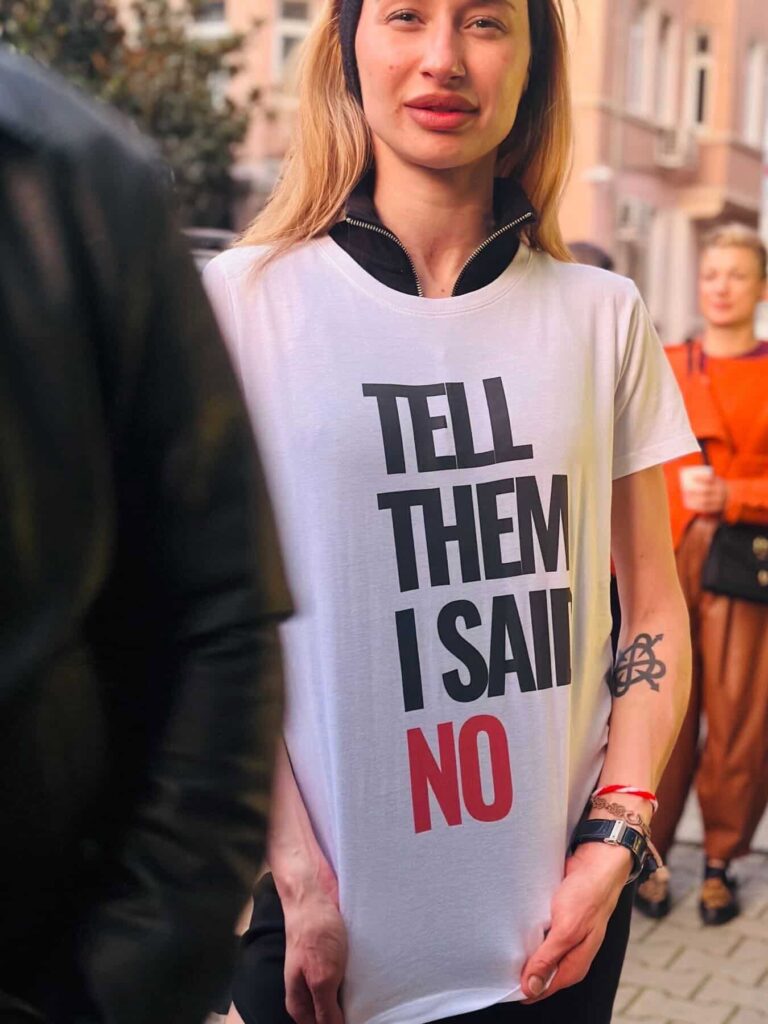
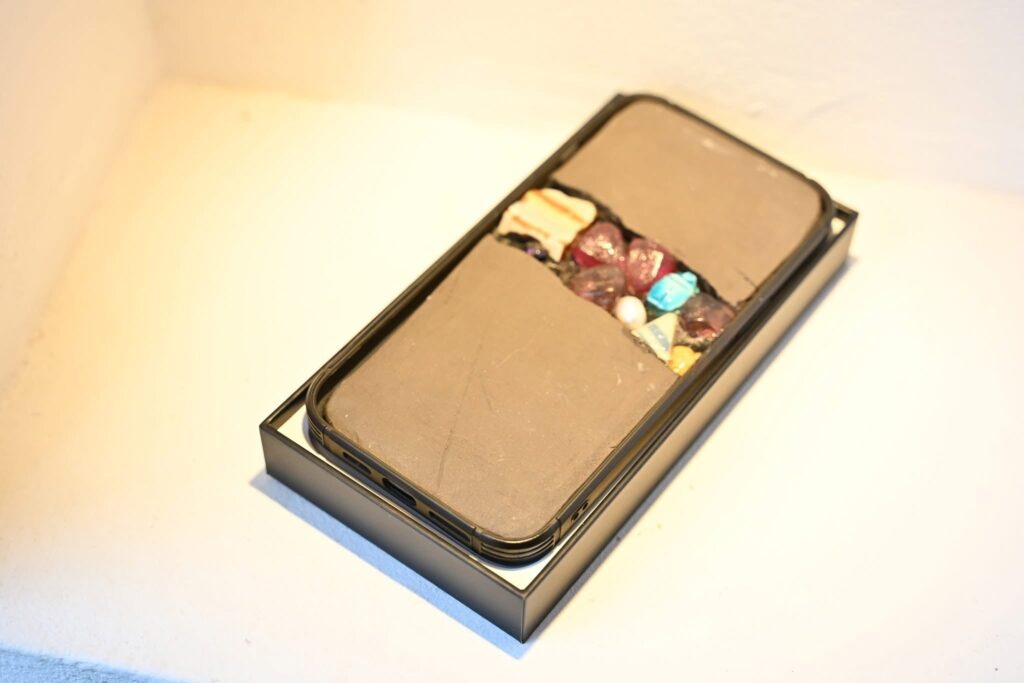
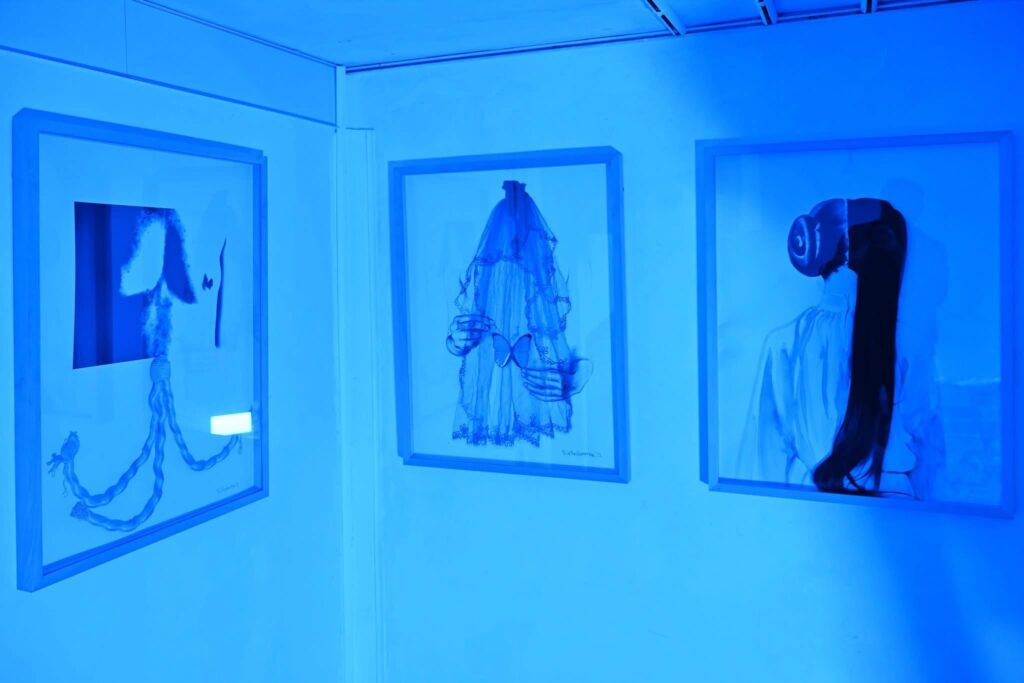
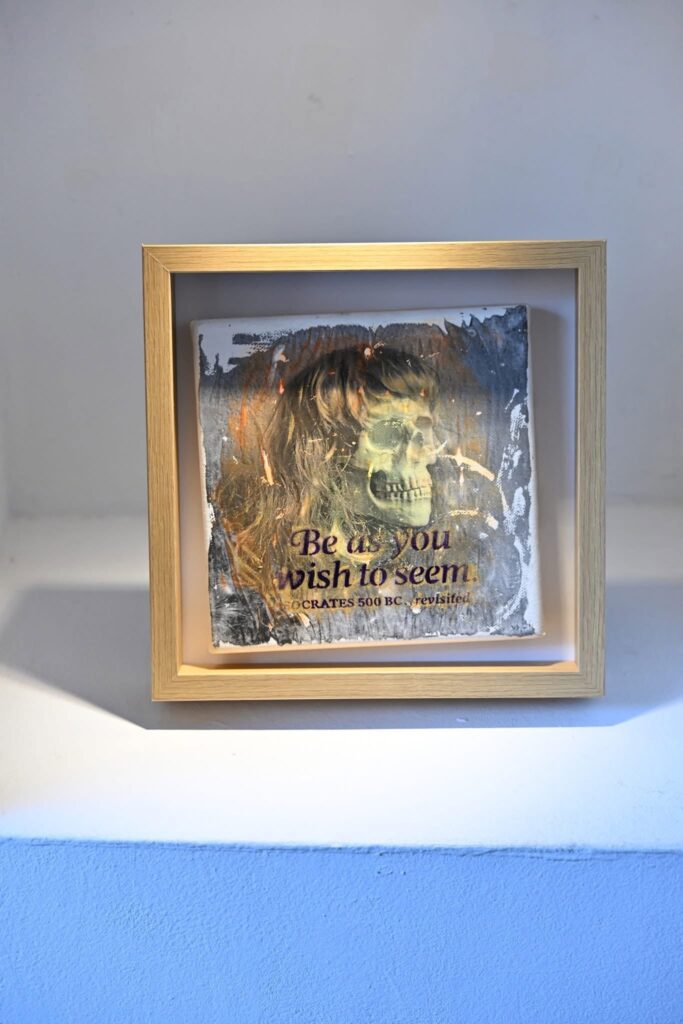
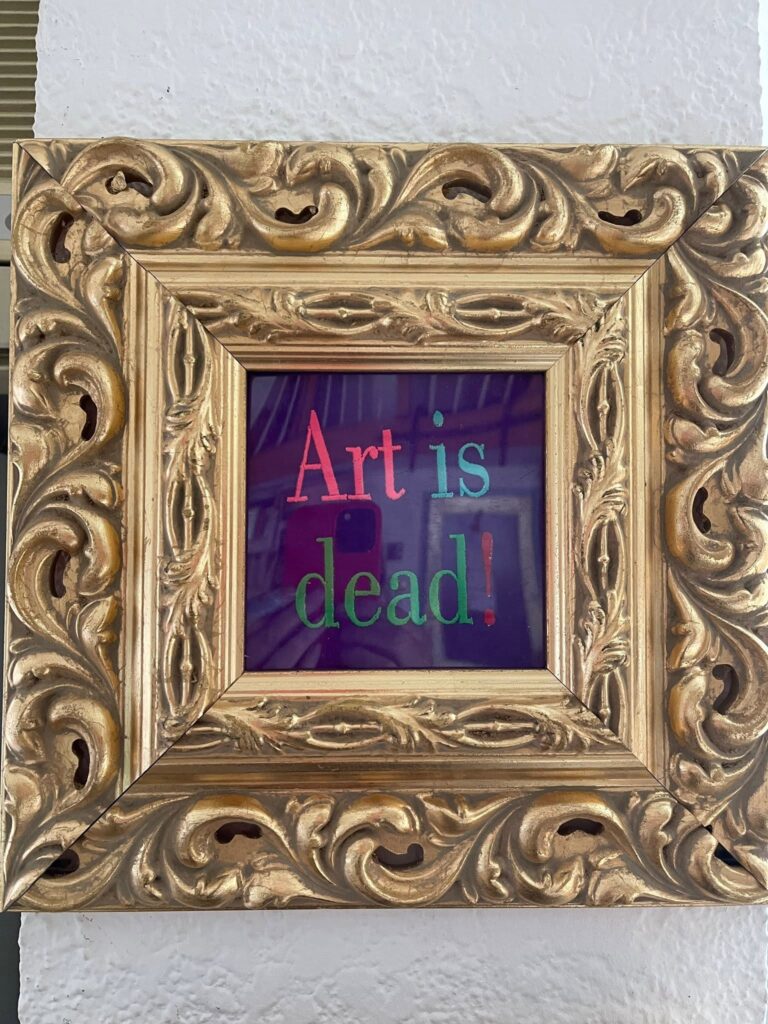
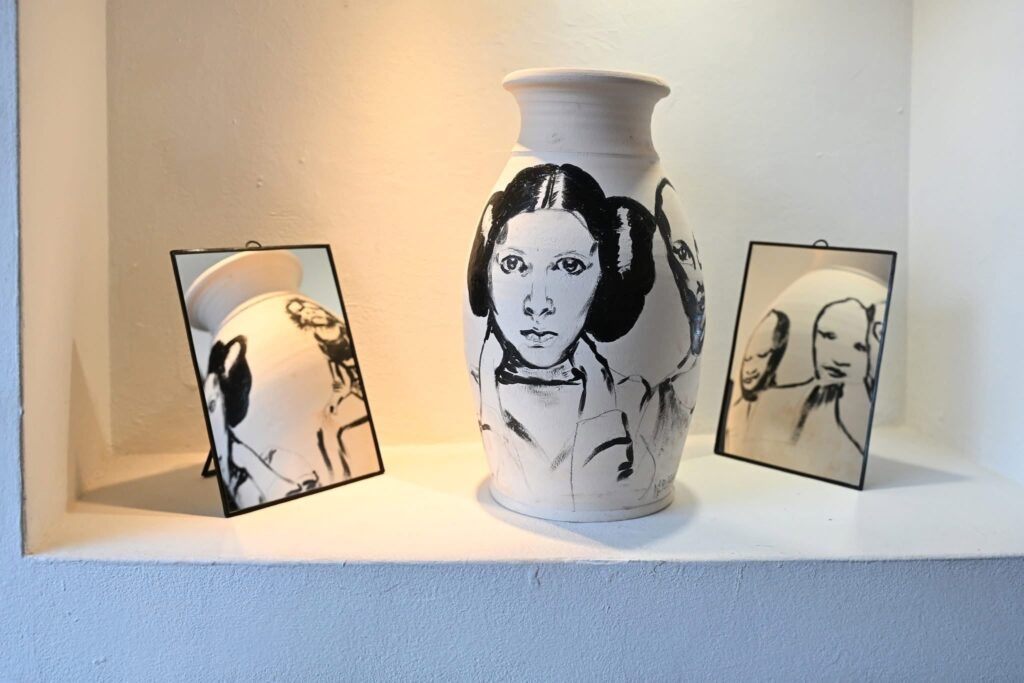
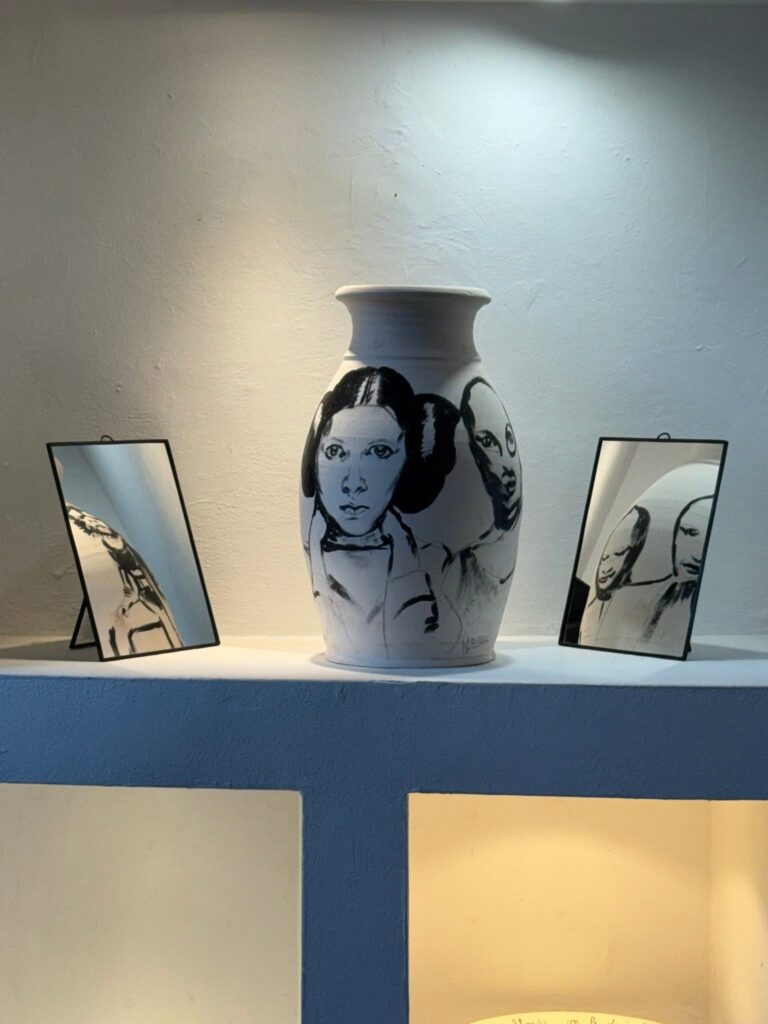
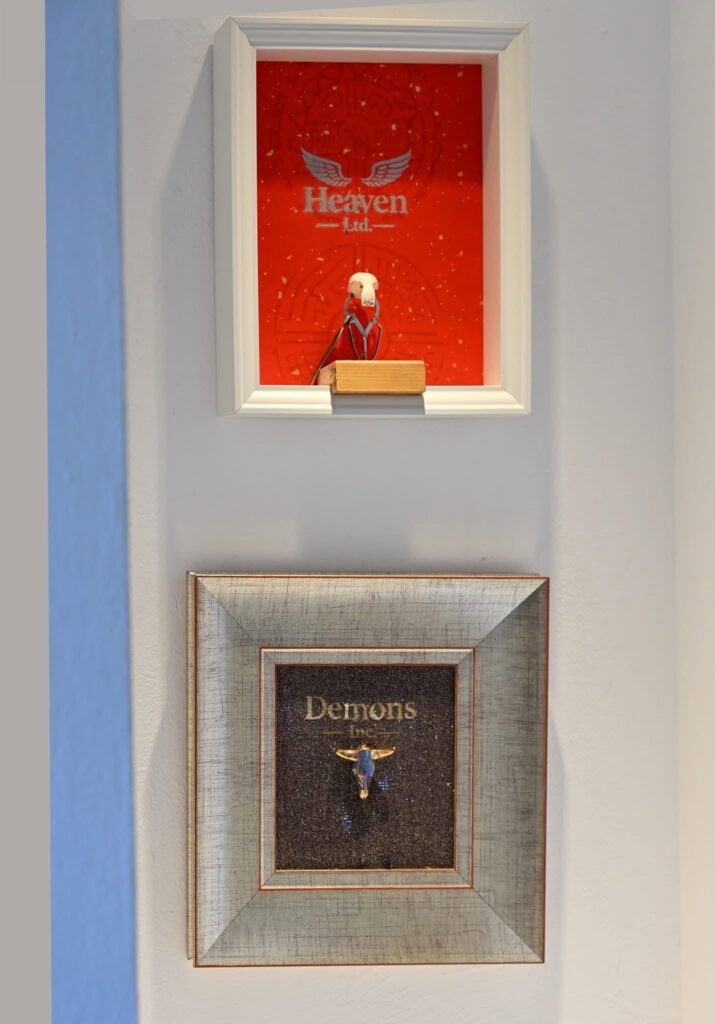
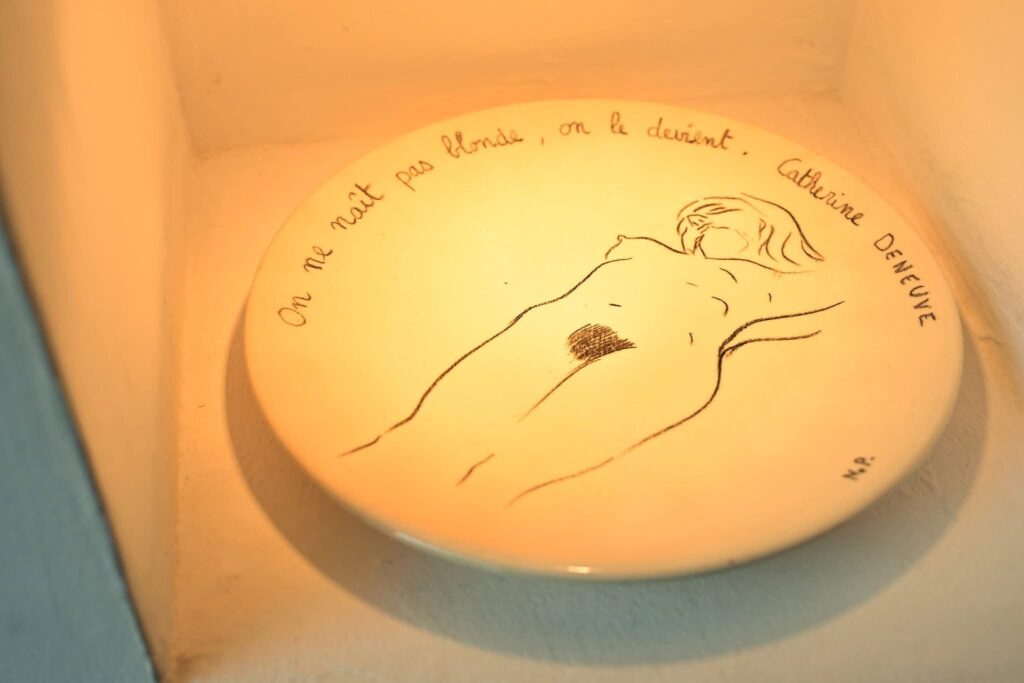
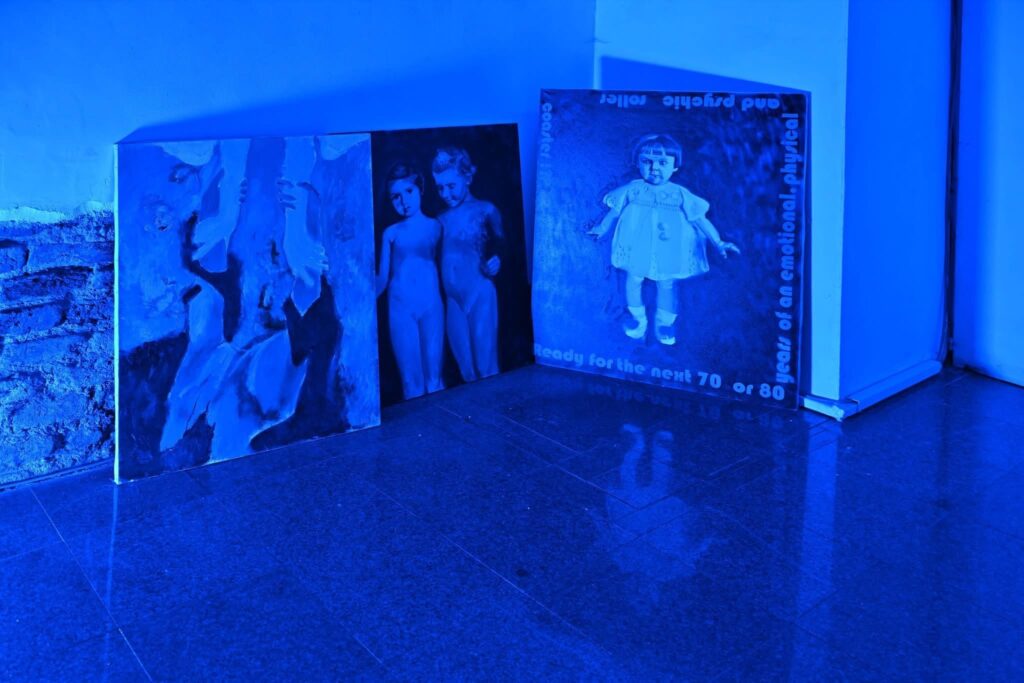
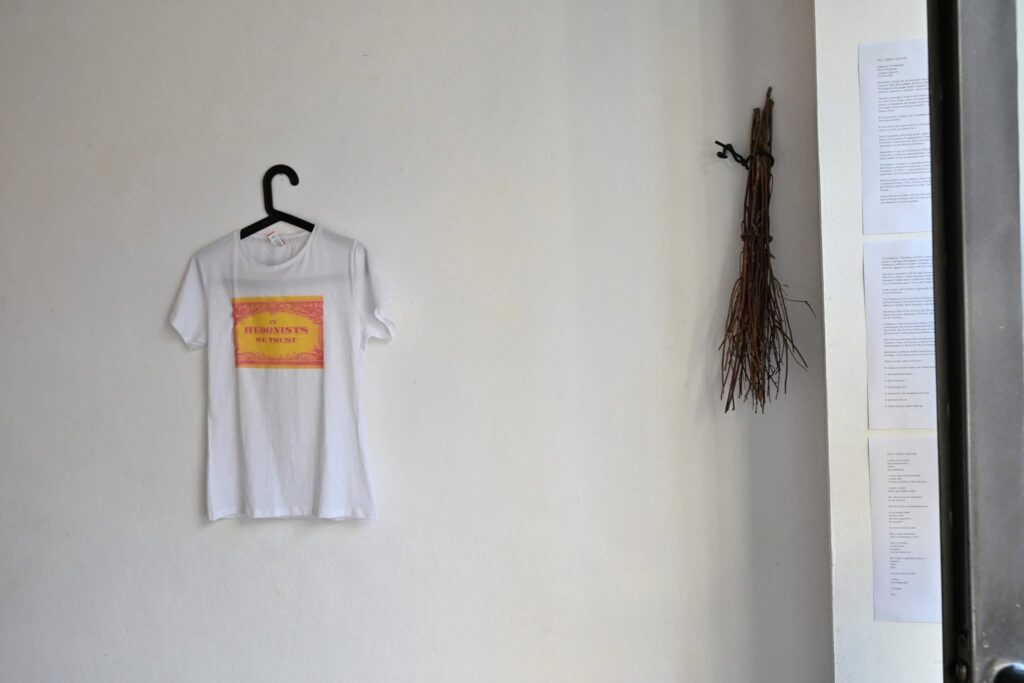
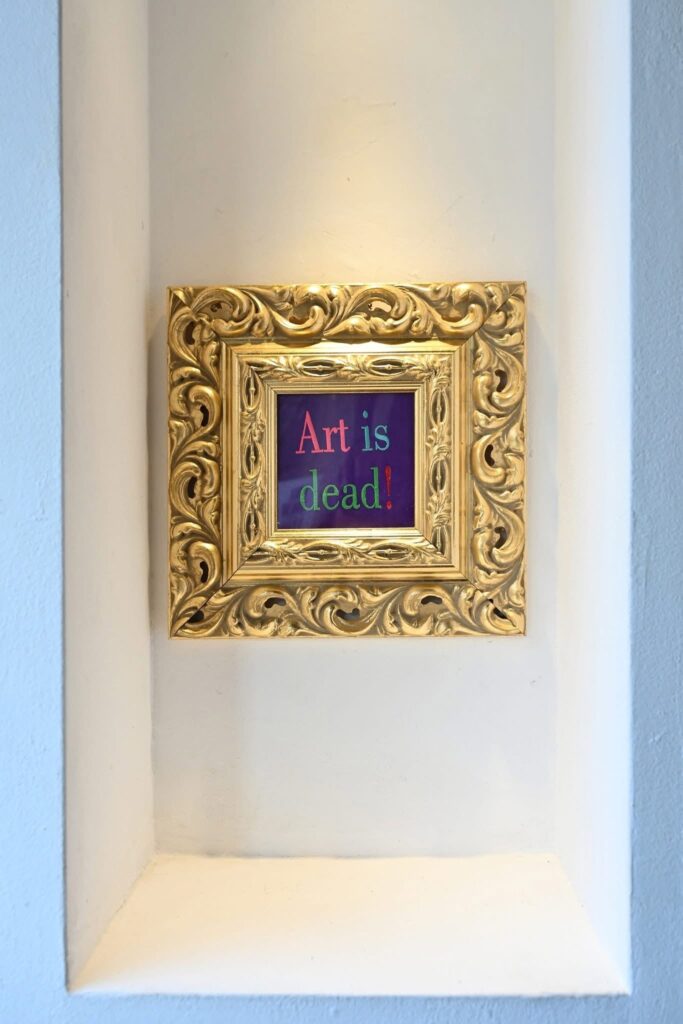
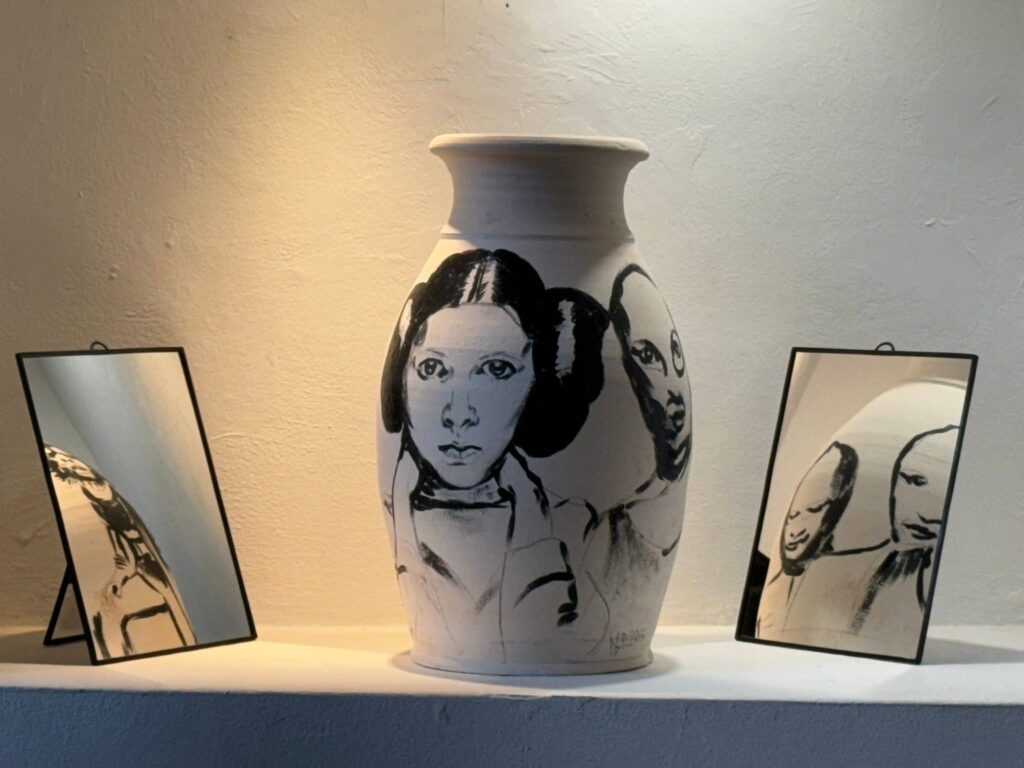
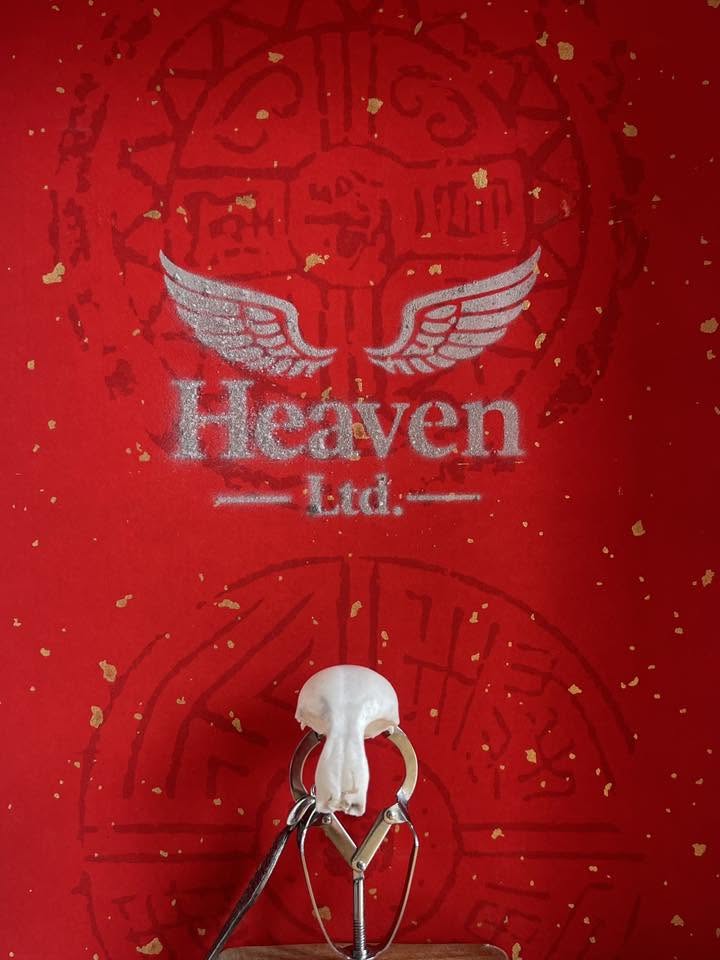
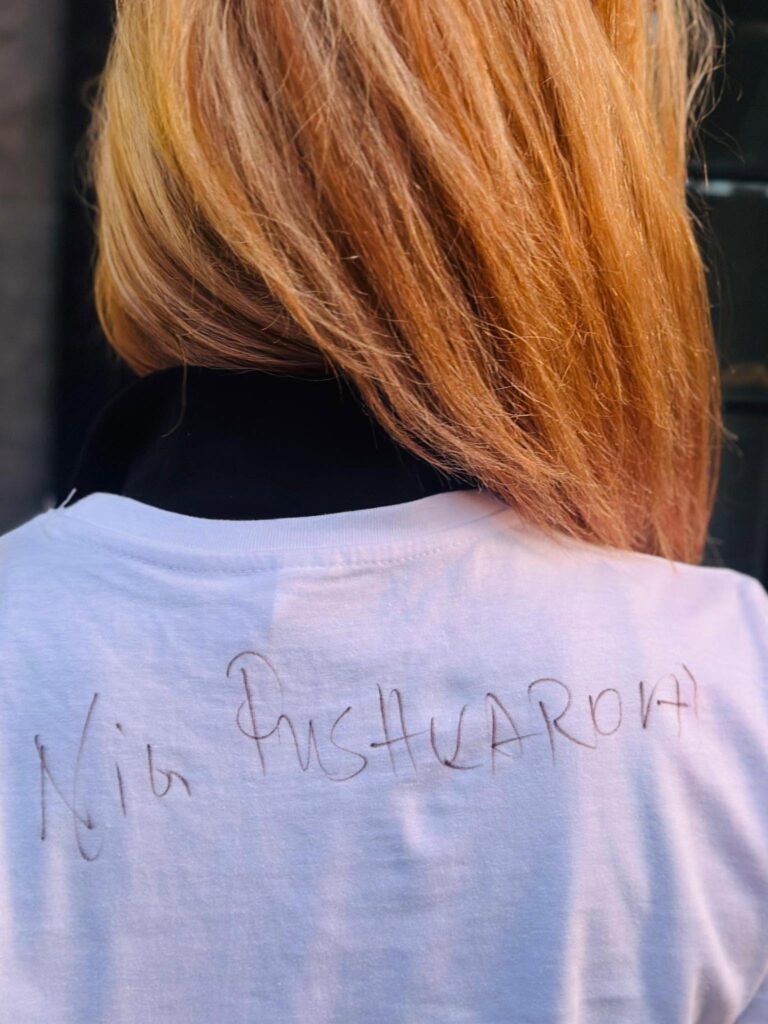
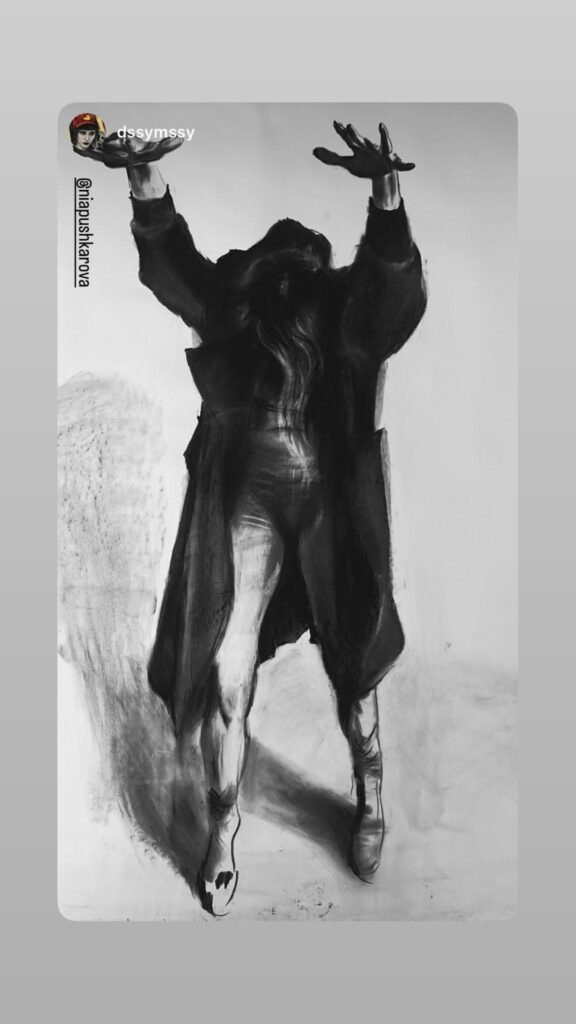
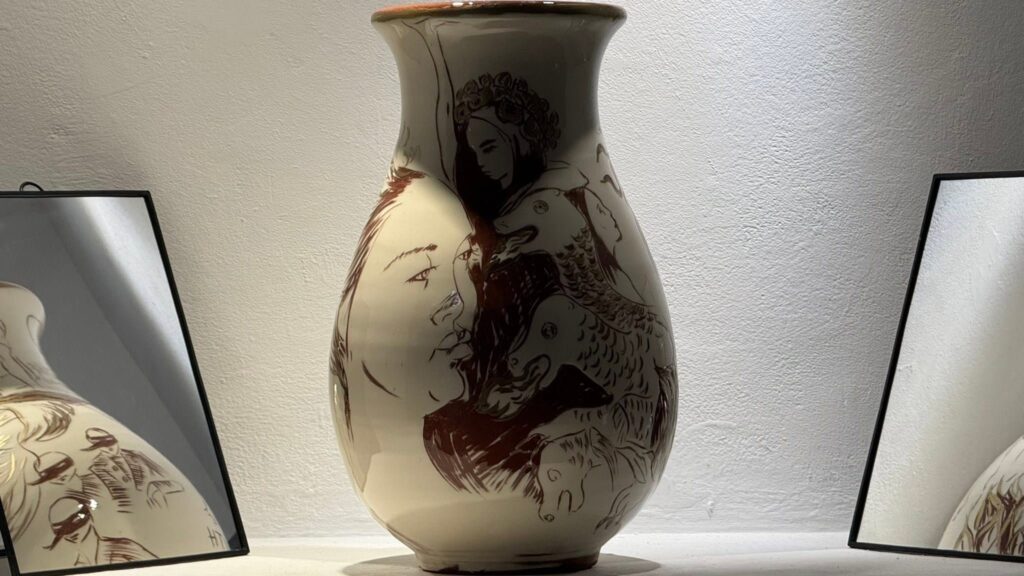
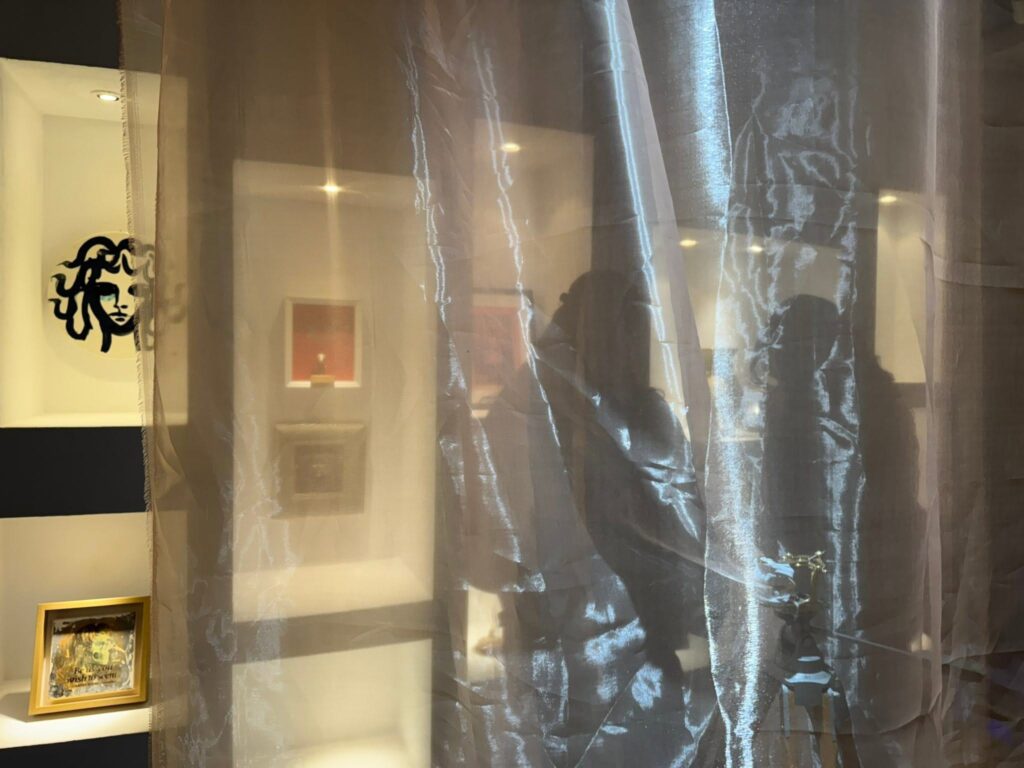
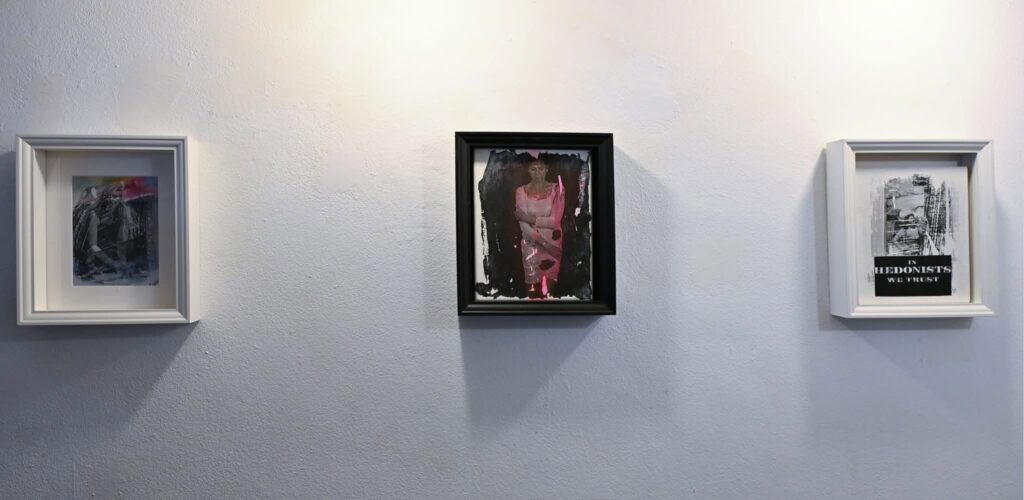
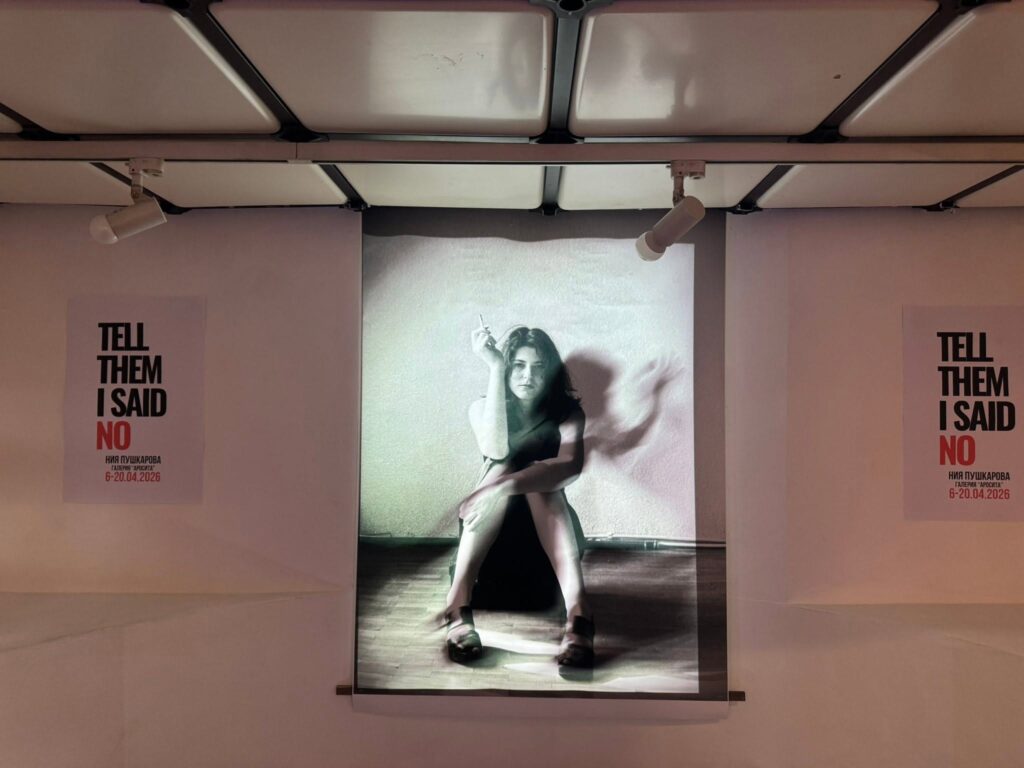
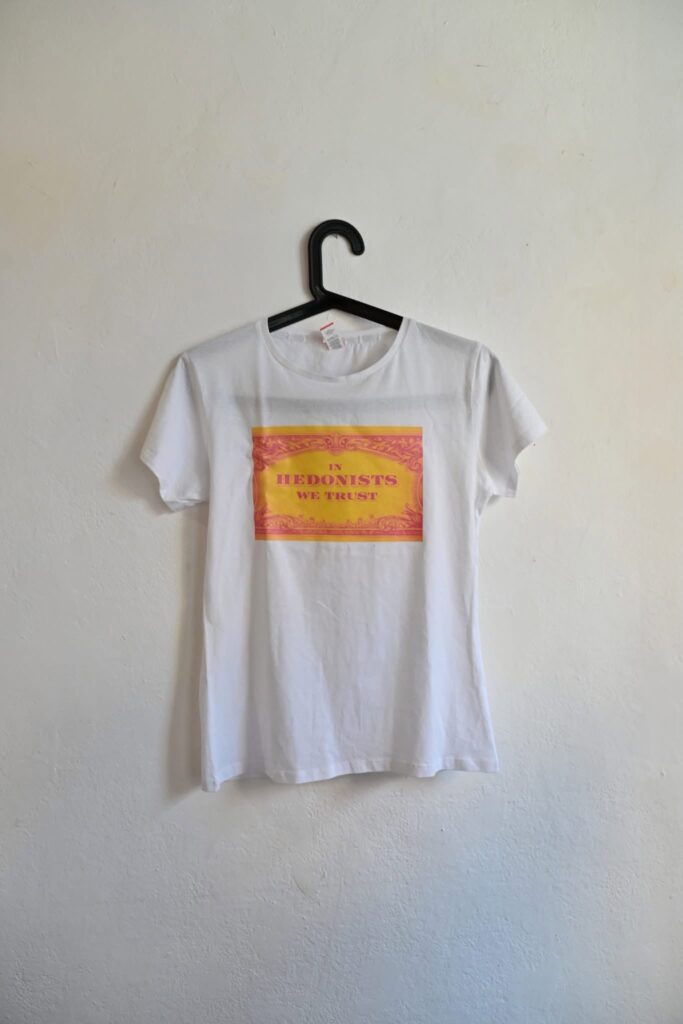
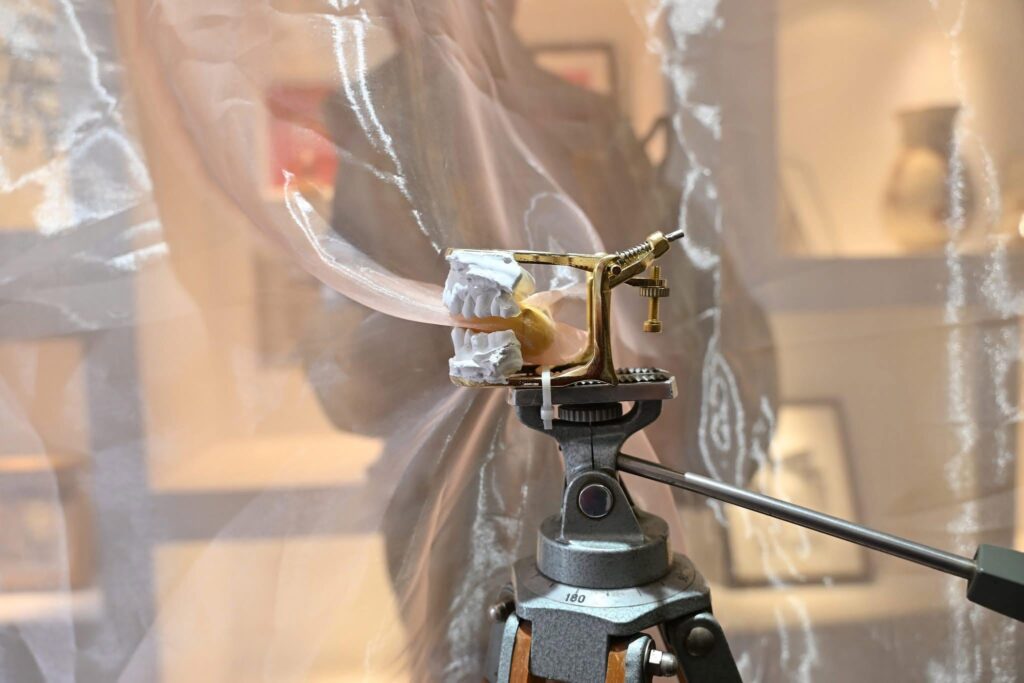
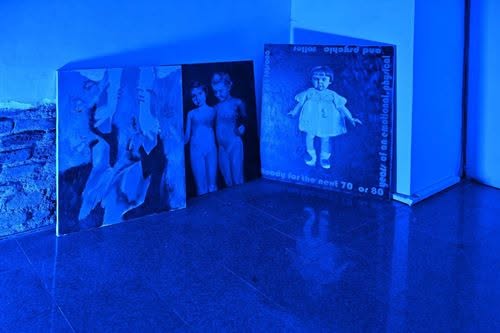
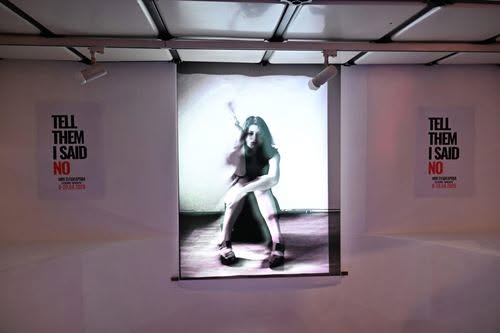
The exhibition “Tell them I said No” explores the idea of refusal as a personal and ethical position. Through photographs, drawings, and fragments of a personal visual archive, Nia Pushkarova reflects on silence, resistance, and the decision not to participate in systems driven by aggression, vanity, and moral emptiness.
The project resonates with the ideas discussed in Martin Herbert’s book Tell Them I Said No: Why Artists Refuse, which examines moments in art history when refusal becomes a form of autonomy. Rather than a withdrawal, refusal here is understood as a conscious stance — a way of reclaiming space, voice, and integrity.
In this context, the exhibition approaches the word “no” not as defeat, but as a deliberate act of self-definition.”I spent years dimming my light so I wouldn’t blind those around me. All that did was allow the arrogant to thrive in the dark. I am finished shrinking. I am stepping into my full power, and I don’t care who finds it too bright.”Thanks to:
Ana Bacheva- visual graphics @anna___y___anna
@Anna Bo – sound
@Ira Rz
@Elina Ivanov
Martin Herbert- book reference
@yin_yanp
Me
In the media:
Kochi Biennale, India “The Gift that keeps on giving” January 2026
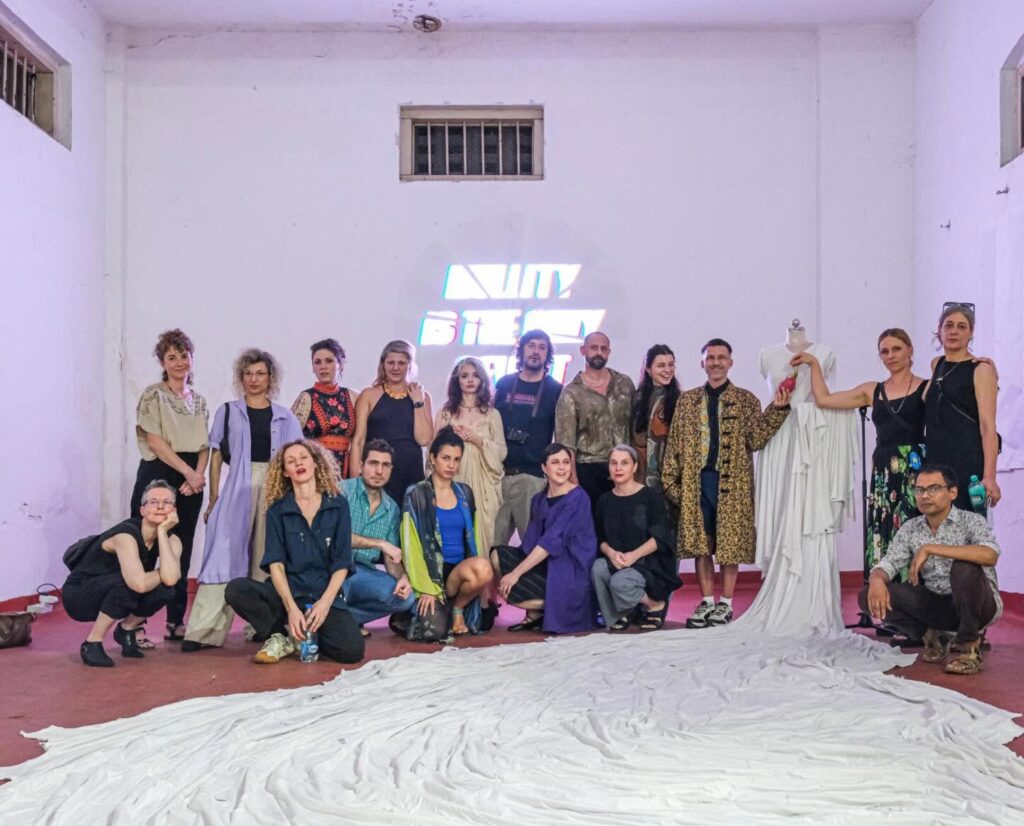
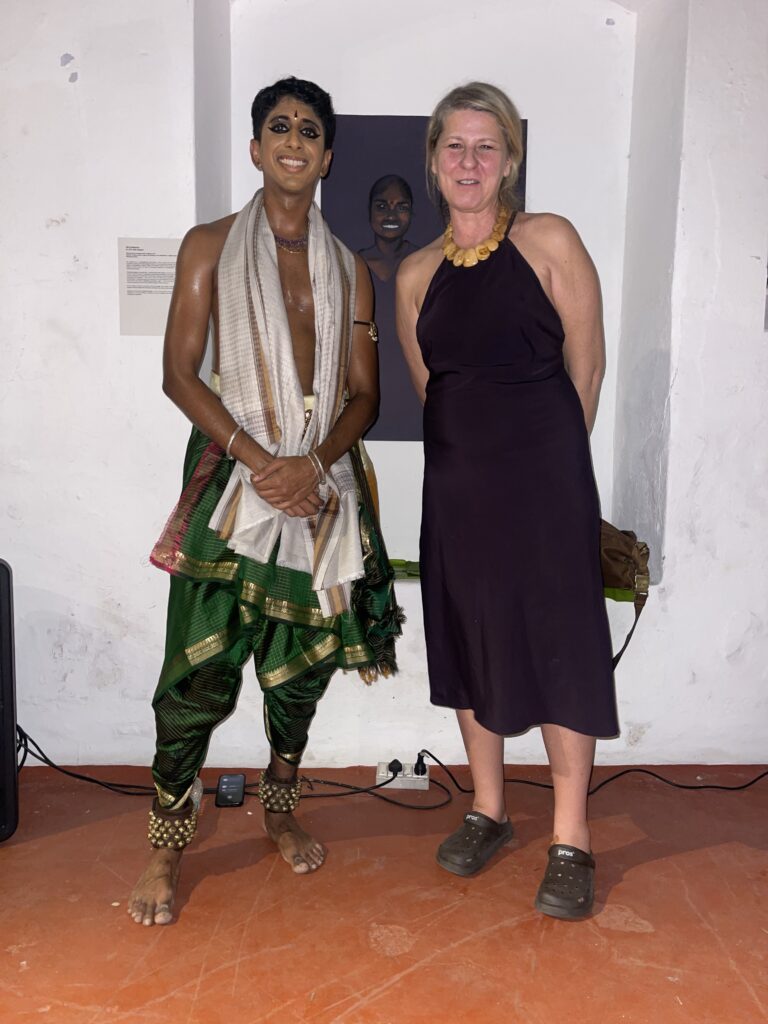
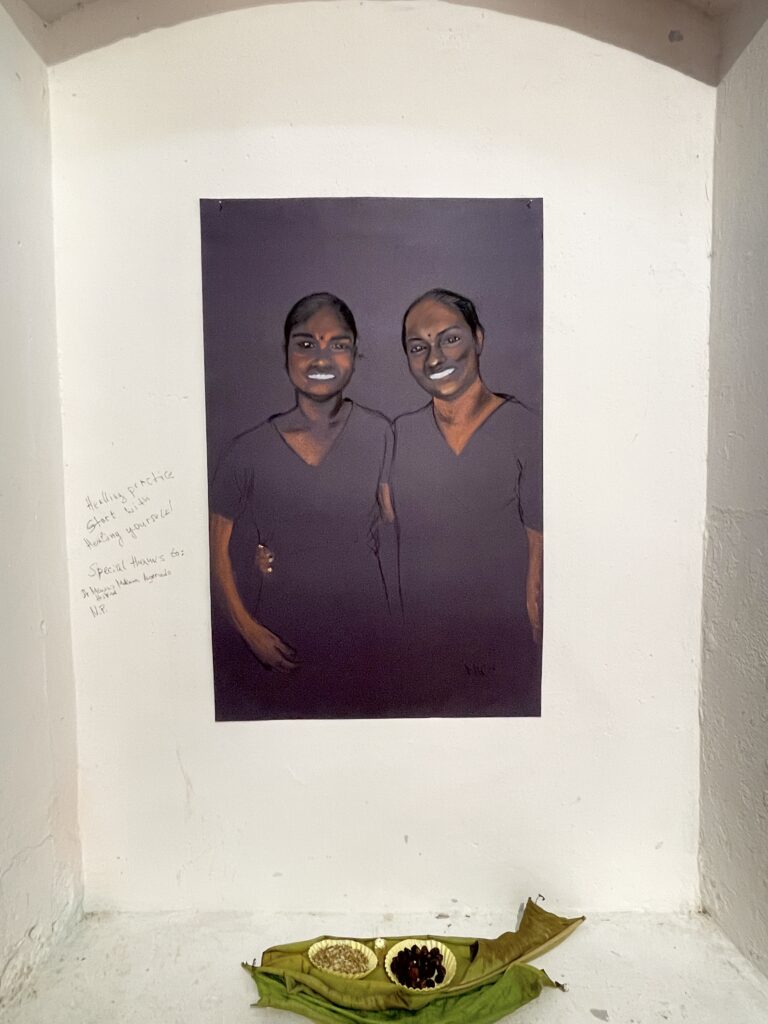
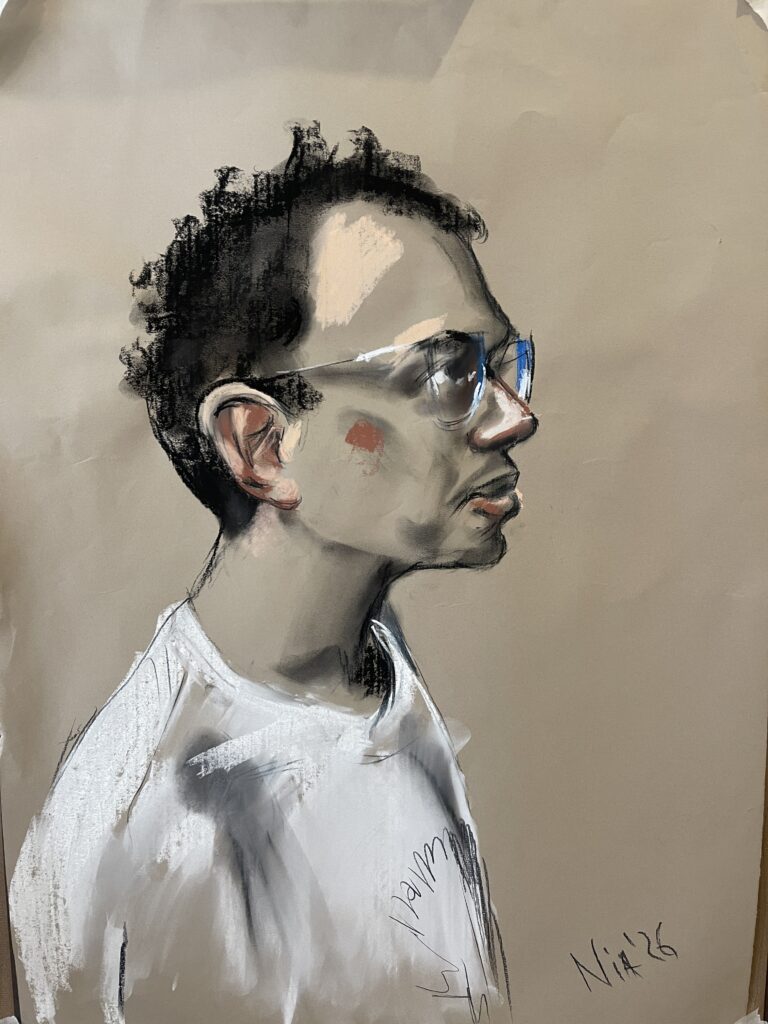
Ruse Contemporary art festival May 2026
Studies on Eye Level and Multiple Plans
“Studies on Eye Level and Multiple Plans” explores the tension between internal reactions and external silence—the gap between what we think and feel and what we allow ourselves to express, shaped by fear, prejudice, social expectations, and the need for acceptance. This disjunction produces double standards and behaviours, gradually distancing us from our own truth.
At its centre is the egocentric subject, unable or unwilling to see from another person’s perspective. The project considers this lack of empathy as an inherited form of self-preservation, rooted not only in material but also in mental and spiritual poverty, where difference is perceived as a threat rather than an opportunity.
Eye level becomes a metaphor for equality, ethical positioning, and genuine encounter. When gazes are unequal, hierarchies emerge, encouraging submission and dependence on external authority and validation. Individuals may diminish their own worth in order to appear acceptable, abandoning their personal truth in the process.
The project also questions the division between centre and periphery as a psychological and cultural construct. Ruse, despite its rich architectural and cultural heritage, often remains outside contemporary cultural attention—not because of a lack of value, but through mechanisms of self-censorship, subordination, and the search for external legitimacy.
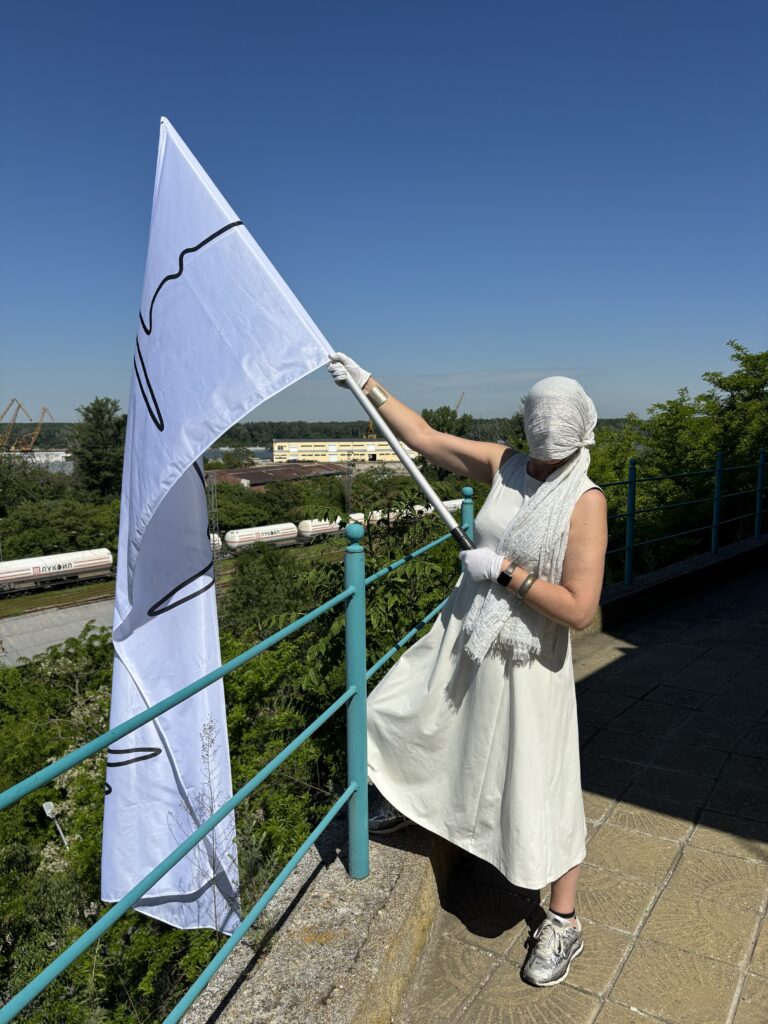
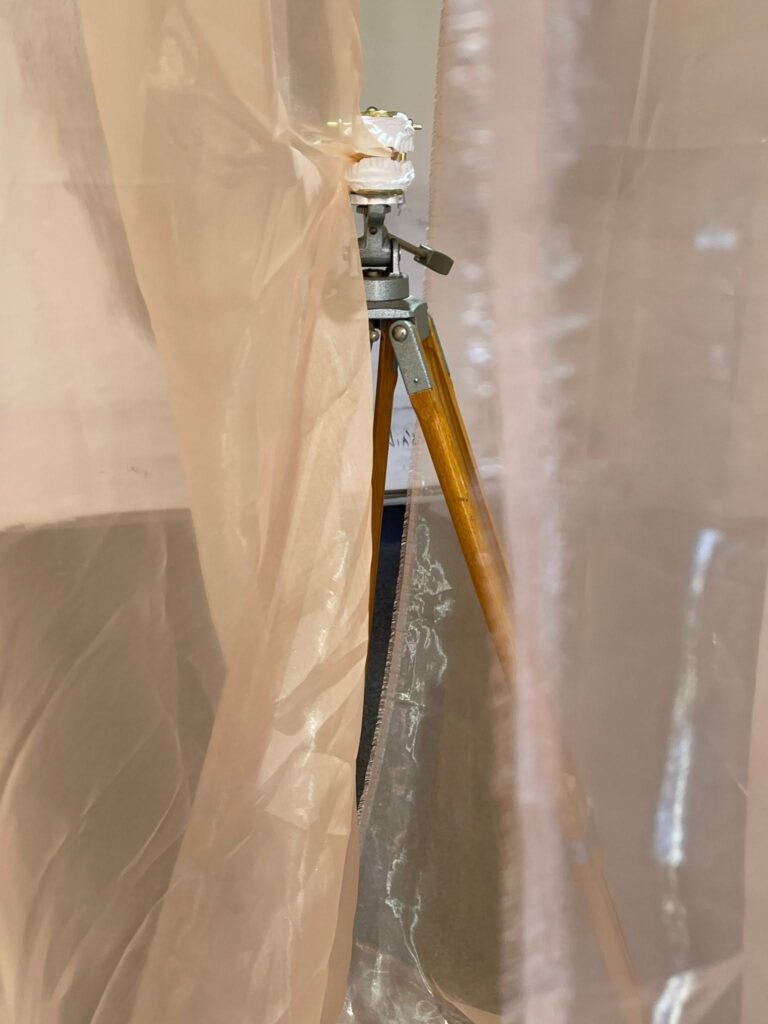
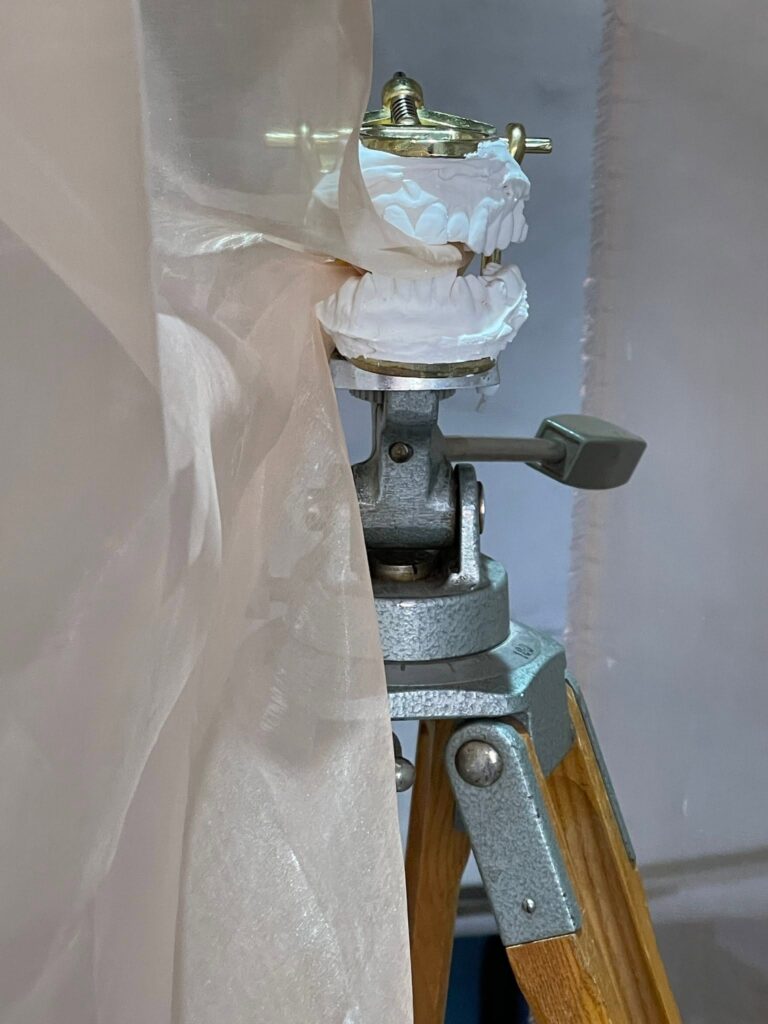
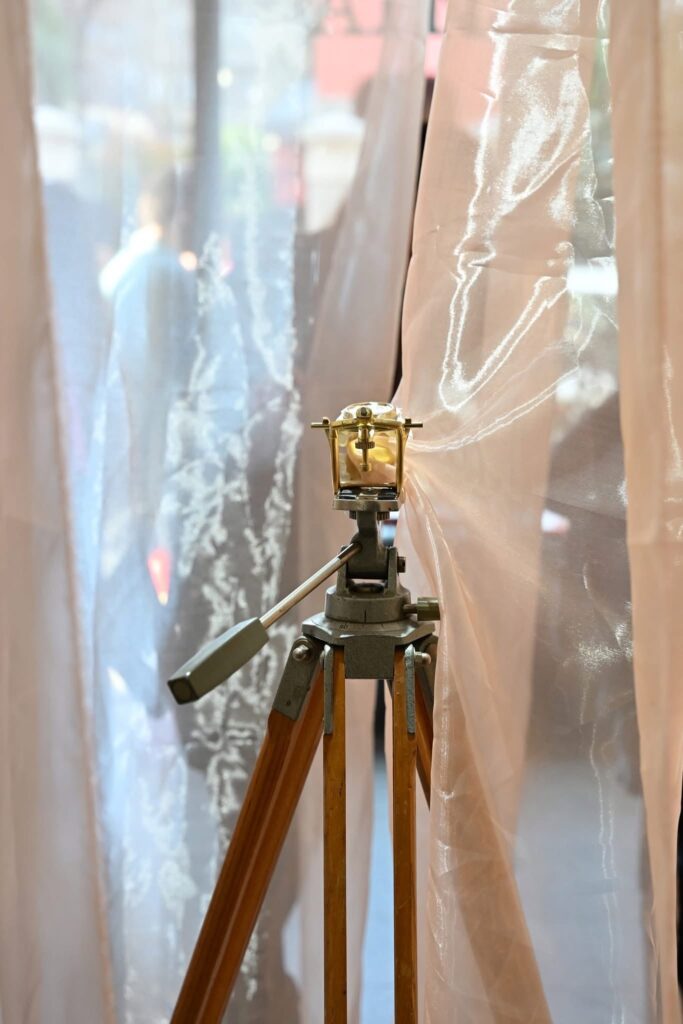
Conceived as a performance and spatial installation in dialogue with Ruse’s public space and architecture, the project may also extend into a gallery through video, objects, and process documentation. The city becomes an active participant, bringing personal, social, and collective “plans” into relation through a shared level of gaze.
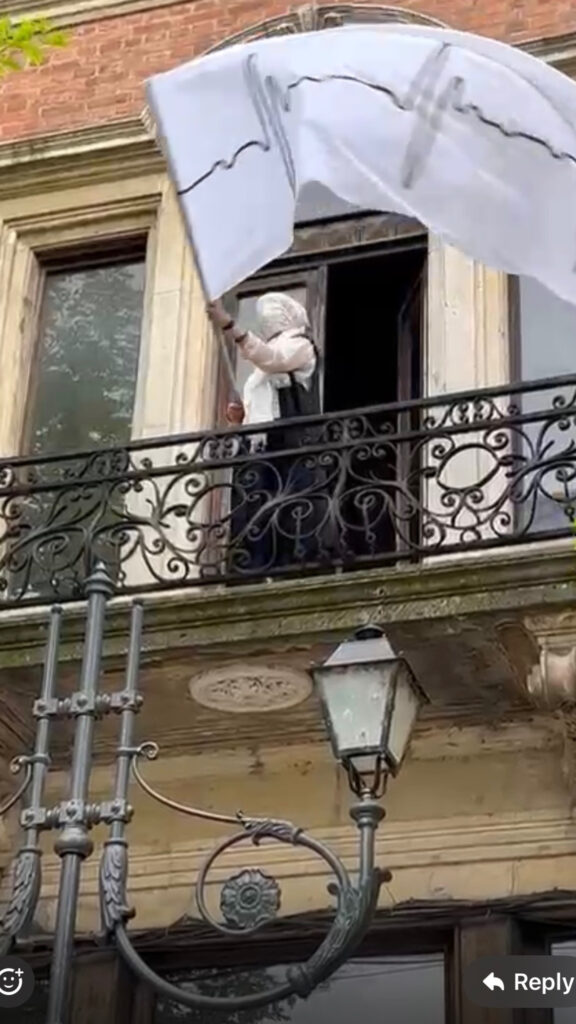
Screenshot 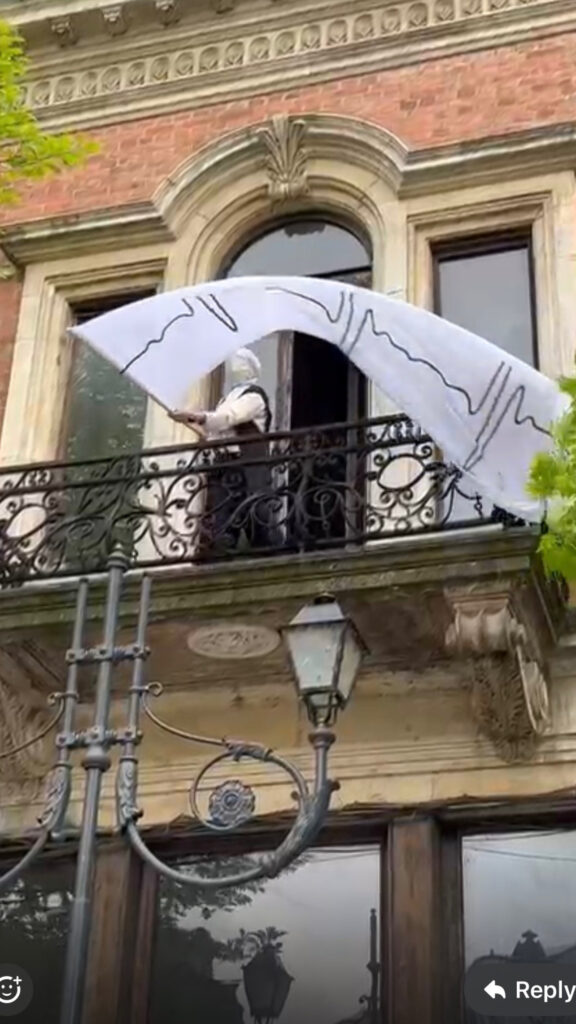
Screenshot 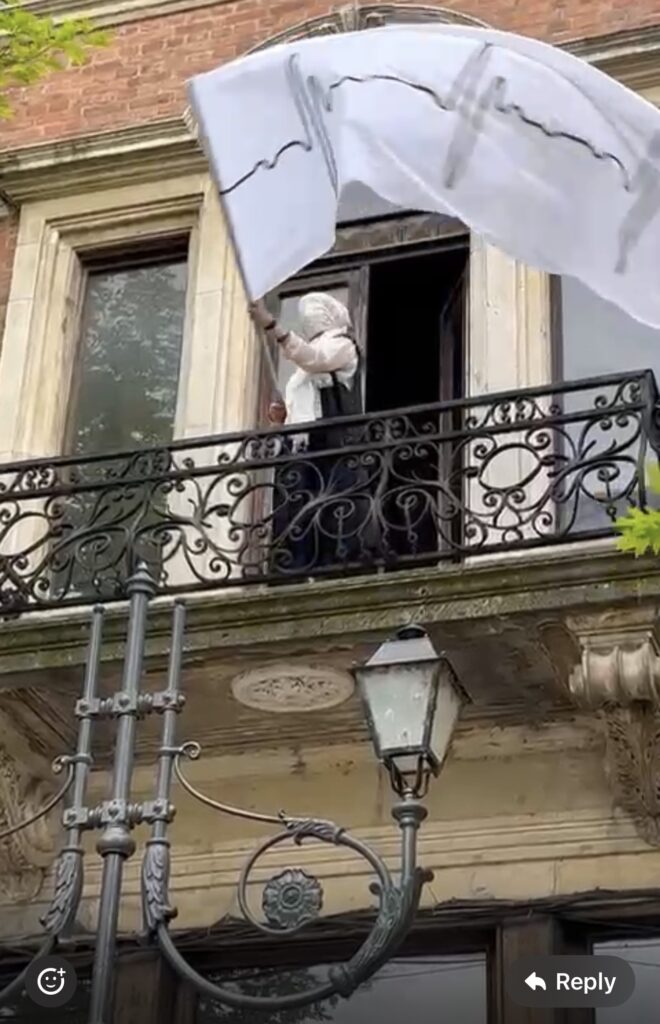
Screenshot